How to Add Pork Lard to Your Diet and Its Benefits
Share
Pork lard is one of the most versatile cooking fats for Indian kitchens. Use it anywhere you currently use ghee, butter, or refined oil — but expect different results: flakier parathas, crispier pakoras, richer tadkas, and pie crusts that hold their shape.
Seven everyday ways to use pork lard in Indian cooking:
1. Paratha and roti — replace 1 tsp ghee with pork lard for flakier laccha-style results
2. Tadka and tempering — heat lard before adding cumin, mustard seeds, curry leaves
3. Pakora and bhajiya — pure lard or 50/50 with refined oil for a crispier batter
4. Pastry and baking — replace butter 1:1 in pie crusts, biscuits, shortbread
5. Roasting vegetables — drizzle on potatoes, brinjal, or bhindi before baking
6. Egg dishes — fry eggs in lard for richer flavour than refined oil
7. Sourdough or kulcha bread — a small amount in dough adds flake and tenderness
Storage: unopened, pork lard has a shelf life of around 12 months in a cool dark place; once opened, up to 6 months at room temperature in a sealed jar. Smoke point is around 190°C — suitable for most Indian cooking methods, including deep frying.
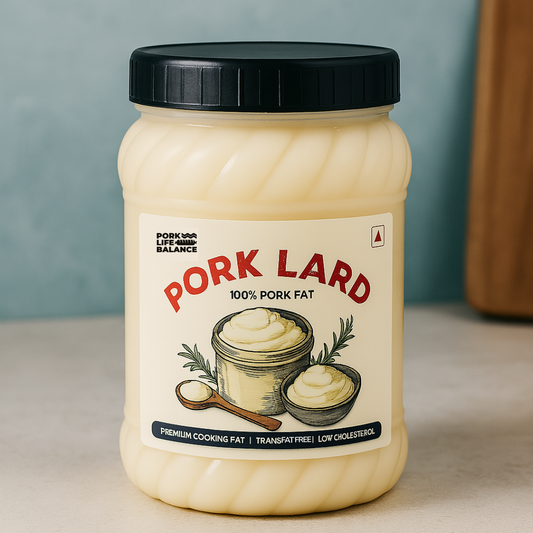
PLB Pork Lard is pure rendered pork fat made in Guwahati, Assam — single ingredient, no chemicals, no additives.
Incorporating different fats into your diet can significantly impact your health and culinary experiences. Among these, pork lard has been gaining popularity for its unique flavour and numerous health benefits. Derived from the fat of pigs, pork lard has been a staple in various cuisines worldwide. This guide explores how to add pork lard to your diet, its benefits, and its place in Indian cooking.
Understanding Pork Lard
Pork lard is rendered pig fat that has been used traditionally in cooking and baking. Its high smoke point makes it ideal for frying and sautéing, while its creamy texture lends itself well to baking and pastry making. Pork lard is rich in monounsaturated fats, similar to those found in olive oil, making it a sensible fat option when used in moderation.
Pork Lard Benefits
Incorporating pork lard into your diet can offer several health benefits of pork lard:
- Rich in Healthy Fats: Pork lard contains a high percentage of monounsaturated fats — roughly 40%, the same family of fats found in olive oil.
- Vitamins and Minerals: Pork lard naturally carries vitamin D, which supports bone health and immune function.
- Enhanced Flavour: Cooking with pork lard adds a rich, savoury depth that vegetable oil or butter do not provide.
- High Smoke Point: At around 190°C, pork lard handles frying and high-heat cooking without breaking down.
How to Add Pork Lard to Your Diet
Incorporating pork lard into your diet can be simple and versatile. Here are some practical ways to do so:
- Cooking and Frying
One of the most common pork lard uses is frying. Due to its high smoke point, pork lard is well suited to frying chicken, vegetables, and pakoras. Replace your usual cooking oil with pork lard to achieve a crisper texture.
- Baking
Pork lard can be used as a substitute for butter or shortening in baking. It makes pie crusts flakier and pastries richer. Try it in your next batch of cookies or biscuits.
- Roasting
When roasting vegetables or meats, use pork lard to coat them. This prevents sticking and adds richness. Potatoes roasted in pork lard come out crispy outside and soft inside.
- Sauces and Gravies
Add a spoonful of pork lard to sauces and gravies for depth. It also works for sautéing onions and garlic at the start of cooking to build a savoury base.
- Spreads
Pork lard can be used as a spread on bread or toast, similar to butter. Mix it with herbs and spices for a flavourful spread or a base for canapés.
Where Pork Lard Fits in Indian Cooking
Traditional cooking fats are returning to Indian kitchens as cooks look past heavily refined seed oils. Pork lard sits alongside ghee and coconut oil in that shift: a single-ingredient fat with a high smoke point and a neutral enough flavour to work across both Indian and Western preparations.
Where to Buy Pork Lard in India
PLB Snacks makes pure rendered Pork Lard in Guwahati, Assam — slow-rendered over low heat and filtered, with no bleaching, no hydrogenation and no preservatives. Available in 400g and 700g packs with free pan-India shipping on orders above ₹700.
Why Choose PLB?
- Quality and Purity: Single-ingredient lard, free from additives, preservatives and seed oils.
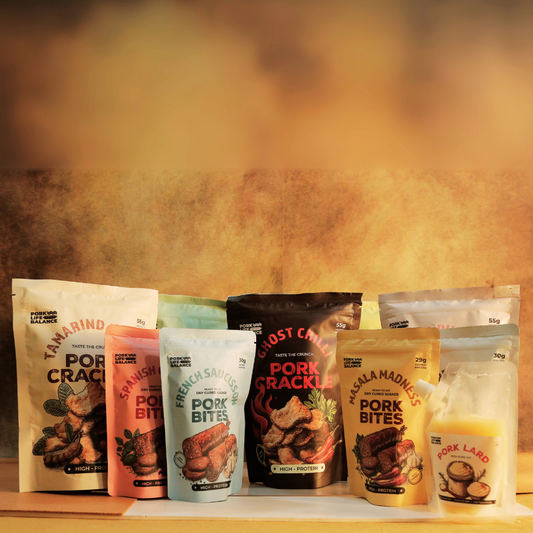
- Range: Alongside the lard, seven Pork Crackle flavours and four dry-cured Pork Bites — all made in the same Guwahati facility.
- Honest labelling: Full nutrition figures and clear ingredient lists on every product page.
Whether you are frying, baking, roasting, or simply spreading it on toast, pork lard can elevate your cooking while offering real benefits over heavily refined alternatives.