Top Reasons to Use Pork Lard Instead of Cooking Oil
Pork lard is a traditional cooking fat with the same monounsaturated-fat profile as olive oil — roughly 40% monounsaturated, 50% saturated, 10% polyunsaturated. It contains zero seed oils, zero chemicals, and zero preservatives. Pure rendered pork fat, single ingredient.
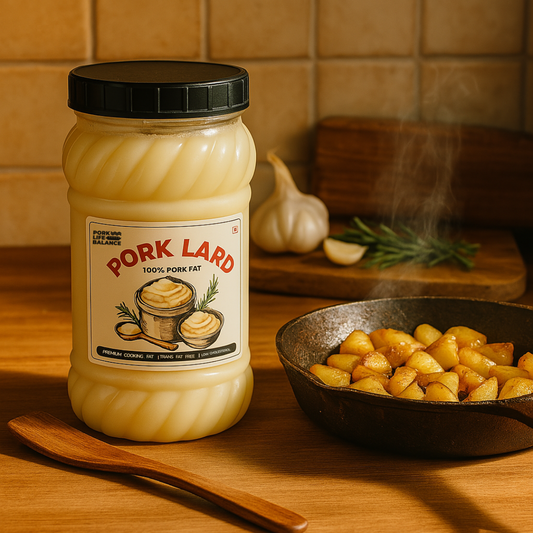
For Indian kitchens, pork lard's smoke point of approximately 190°C makes it ideal for high-heat cooking, deep frying, and traditional dishes like parathas, pastries, and curries. Five reasons home cooks across India are switching from refined seed oils to pork lard:
1. Higher smoke point than most refined oils
2. Zero seed-oil byproducts
3. Richer flavour in baking and roasts
4. Flaky paratha and pastry textures impossible with refined oils
5. Shelf-stable for months without refrigeration
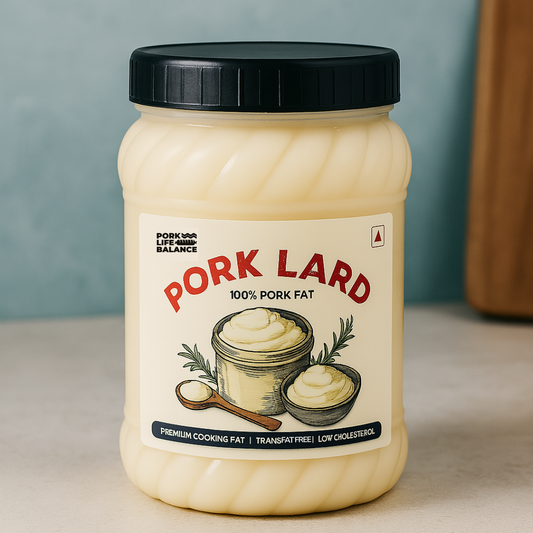
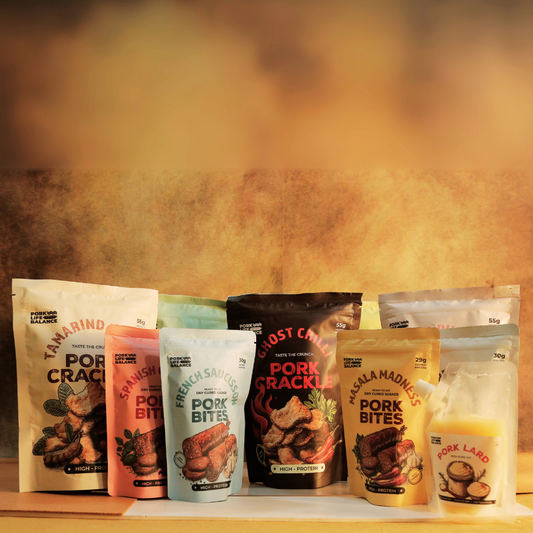
PLB makes premium rendered pork lard in Guwahati, Assam — pure single-ingredient cooking fat for serious home cooks.
When it comes to cooking oils, there are numerous options available on the market. One such option that has gained popularity in recent years is pork lard. But what exactly is pork lard, and what are its benefits? In this blog post, we will explore the advantages of using pork lard in your cooking and why it has become a favourite among chefs and home cooks alike.
What is Pork Lard?
Pork lard is the rendered fat from pigs. It is obtained by melting down the fatty tissues of the animal and then straining the liquid to remove any impurities. The resulting product is a creamy, white fat that can be used in a variety of culinary applications.

Health Benefits of Pork Lard
Contrary to popular belief, pork lard can actually be a healthy addition to your diet when consumed in moderation. Here are some of the benefits it offers:
1. High Smoke Point
Pork lard has a high smoke point, which means it can withstand high temperatures without breaking down and producing harmful compounds. This makes it an excellent choice for frying and sautéing.
2. Rich in Healthy Fats
Pork lard is primarily composed of monounsaturated fats, which are considered heart-healthy. These fats can help reduce bad cholesterol levels and lower the risk of heart disease when consumed as part of a balanced diet.
3. Natural Flavour Enhancer
When used in cooking, pork lard adds a rich and savoury flavour to dishes. It enhances the taste of meats, vegetables, and even baked goods, giving them a delicious and indulgent quality.
4. Versatility in Cooking
Pork lard is incredibly versatile and can be used in a wide range of recipes. It can be used to make flaky pie crusts, crispy fried chicken, and even tender and moist pastries. Its versatility makes it a must-have ingredient in any kitchen.
Why Choose Pork Lard?
Now that we've explored the benefits of pork lard, you may be wondering why you should choose it over other cooking oils. The answer lies in its unique properties and the exceptional results it delivers.
Unlike other oils, pork lard has a distinct flavour that can elevate your dishes to new heights. Its high smoke point ensures that your food cooks evenly and retains its natural moisture, resulting in tender and succulent meals. Whether you're frying, roasting, or baking, pork lard is a reliable and flavourful choice.
Discover the Magic of Pork Lard
Are you ready to take your cooking to the next level? Look no further than our premium Pork Lard. Made from the finest quality pork, our lard is carefully rendered to perfection, ensuring a pure and flavourful product.
With our Pork Lard, you can unlock a world of culinary possibilities. From crispy fried foods to flaky pastries, our lard will enhance the taste and texture of your favourite recipes. Experience the magic of pork lard today and elevate your cooking to new heights!
Unlock the Flavour: Try Our Pork Lard Now!